Dermaplaning vs.
Microdermabrasion
Two of the most-requested clinical facials in my Marin studio — both smooth, both brighten, but they work very differently. Here's how to choose the right treatment for your skin.
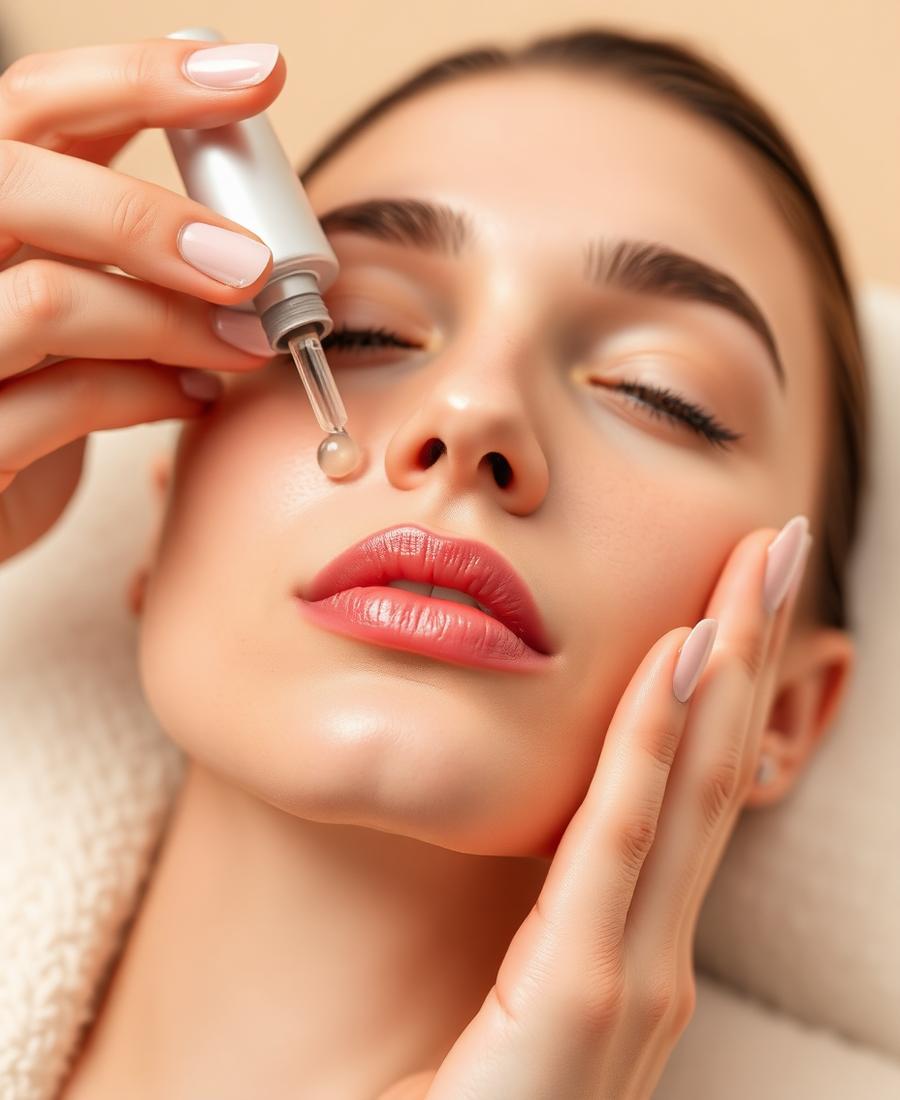
"Both treatments reveal fresh skin. The question is whether your skin needs precision smoothing or deep mechanical exfoliation."
— Deborah Lynne Bishop
What is Dermaplaning?
Dermaplaning is a manual exfoliation treatment performed with a sterile surgical scalpel. I hold the blade at a precise angle to gently remove the top layer of dead skin cells along with the fine vellus hair — peach fuzz — that sits on the surface.
The result is immediately visible: skin looks smoother, makeup glides on seamlessly, and your home-care products absorb more effectively. It's a favorite before events, photo sessions, or whenever you want a fresh, lit-from-within glow.
Best for: dullness, peach fuzz, uneven texture, and product absorption.
What is Microdermabrasion?
Microdermabrasion uses a diamond-tipped handpiece to mechanically polish the skin, lifting away dead cells and stimulating circulation. It's a controlled, non-invasive resurfacing treatment that reaches slightly deeper than a surface scrub.
This makes it especially effective for softening fine lines, improving congested pores, and evening out rough texture. Because there is no hair removal involved, it is safe for clients with peach fuzz, sensitive skin, or those who prefer to avoid facial shaving.
Best for: texture, fine lines, congestion, and gentle resurfacing.
Side-by-Side Comparison
| Detail | Dermaplaning | Microdermabrasion |
|---|---|---|
| Method | Surgical scalpel exfoliation | Diamond-tipped mechanical polish |
| Hair removal | Yes — removes peach fuzz | No |
| Downtime | None; may be slightly flushed | None; mild redness for a few hours |
| Best results for | Glow, makeup prep, surface dullness | Texture, fine lines, congestion |
| Skin types | Most; avoid active acne | All, including sensitive |
| Frequency | Every 3–4 weeks | Every 4–6 weeks |
| Studio price | Dermaplane Glow Facial — $185 | Microdermabrasion Facial — $135 |
Which Treatment Is Right for You?
Choose Dermaplaning if…
- • You want an instant, event-ready glow
- • Peach fuzz makes makeup look uneven
- • Your skin feels rough or looks dull
- • You want products to absorb better
- • You do not have active acne or rosacea
Choose Microdermabrasion if…
- • Your main concern is texture or congestion
- • You want to soften fine lines over time
- • You prefer not to remove facial hair
- • Your skin is sensitive or reactive
- • You want a gentle, no-downtime resurfacing
During your consultation, I'll assess your skin in person, discuss your goals, and recommend whether dermaplaning, microdermabrasion, or a combination of both will deliver the best result.
What to Expect After Each Treatment
After Dermaplaning
Skin will feel baby-smooth and look noticeably brighter. Makeup applies flawlessly and skincare penetrates more deeply. You may have mild pinkness for an hour or two. Avoid direct sun and harsh actives for 24 hours.
After Microdermabrasion
Texture feels refined and pores look clearer. Some clients experience a mild tingling or flushed sensation that fades the same day. Like dermaplaning, sun protection is essential for the next 48 hours.
Can You Combine Them?
Yes. In my Corte Madera studio, I sometimes pair microdermabrasion with dermaplaning for clients who want a deeper resurfacing plus a smooth, fuzz-free finish. The combination is ideal for healthy, resilient skin and is often followed by a targeted mask, serum infusion, or light peel to maximize the glow.
I do not recommend combining them at home or on compromised skin. A quick consultation will confirm whether the combination is appropriate for you.
Common Questions
Will dermaplaning make my facial hair grow back thicker?
No. Vellus hair is removed at the surface and grows back with the same soft texture. It cannot change the structure of the hair follicle.
Is microdermabrasion safe for acne-prone skin?
It can be safe for non-inflamed congestion, but active breakouts should be avoided. I always evaluate acne before selecting the treatment.
How long does each treatment take?
Both treatments take about 45–60 minutes as standalone services. They can be extended with extractions, masks, or peels for a full facial experience.
Do I need a consultation first?
New clients receive a complimentary skin consultation so I can match the treatment to your skin condition, goals, and home-care routine.
Ready to reveal your brightest skin?
Book a consultation and I'll help you choose between dermaplaning, microdermabrasion, or a custom combination — tailored to your skin and your goals.
Book Your Session